
Concrete expertise for landmark development
Repairing silo hoppers is a complicated undertaking. This is considering their structural complexity which enables them to seamlessly handle the significant loads that they dispense onto conveyors for transport to bins for efficient and safe storage.
Using specialised skills and techniques, Citi-Con is repairing the hoppers of a number of silos for a leading agricultural company. Our method also ensures that the repaired hoppers will stop future water ingress of water from a raised water table below. Considering the state-of-the-art techniques deployed, as well as exceptional workmanship, we can guarantee the repairs for 10 years.
The efficient repair of the hoppers is being supervised by Citi-Con Director, Nicholas Mahlangu. Mahlangu is supported by Jaco Beens, Jonathan Sizwe and Mike Zandamela.
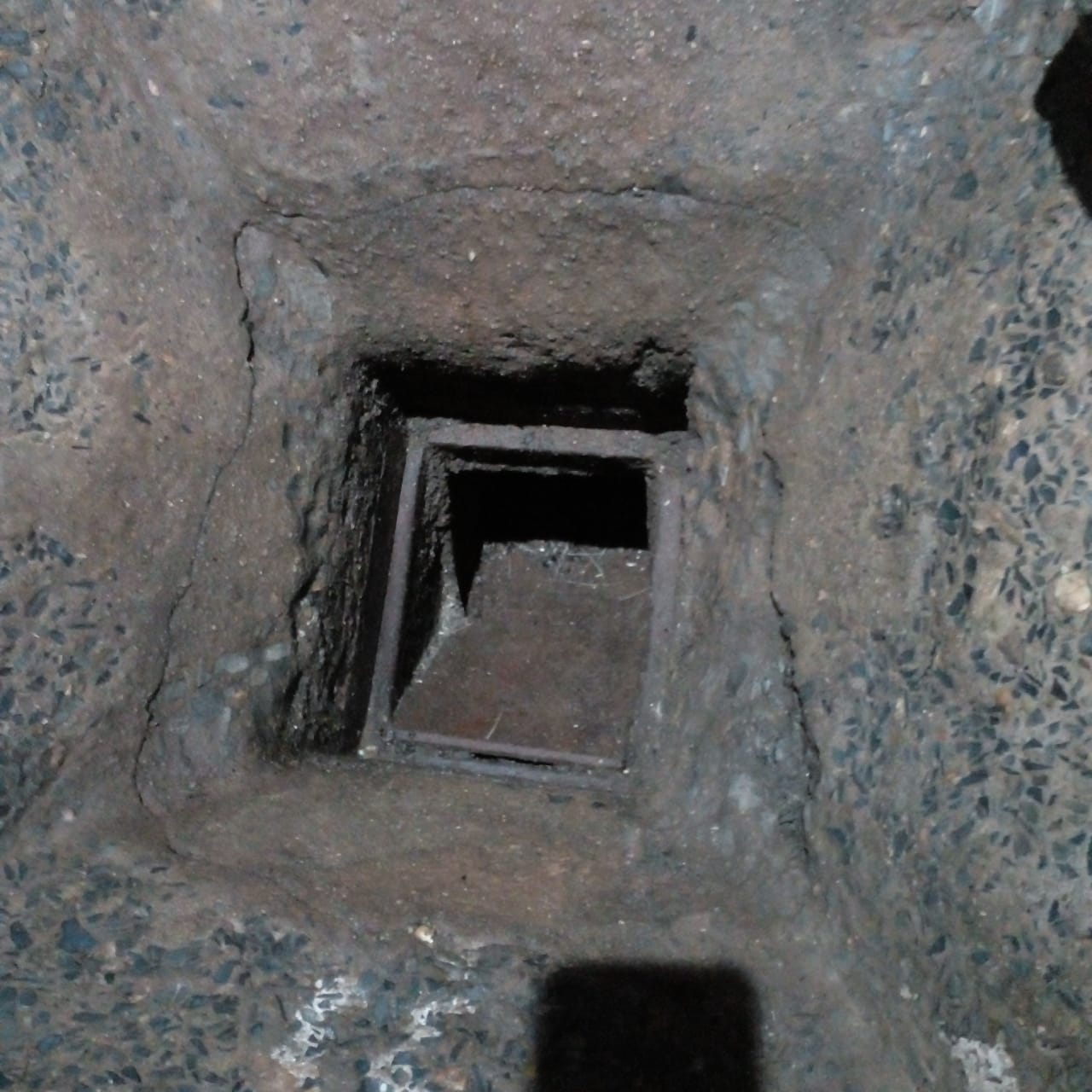
We first inspect the hoppers to determine the extent of the damage, which includes vertical and horizontal cracks. This is due to prolonged exposure to water vapour and natural movement over time. Vertical cracks are as a result of cold concrete pours when they were initially constructed and, therefore, these cracks can be expected.
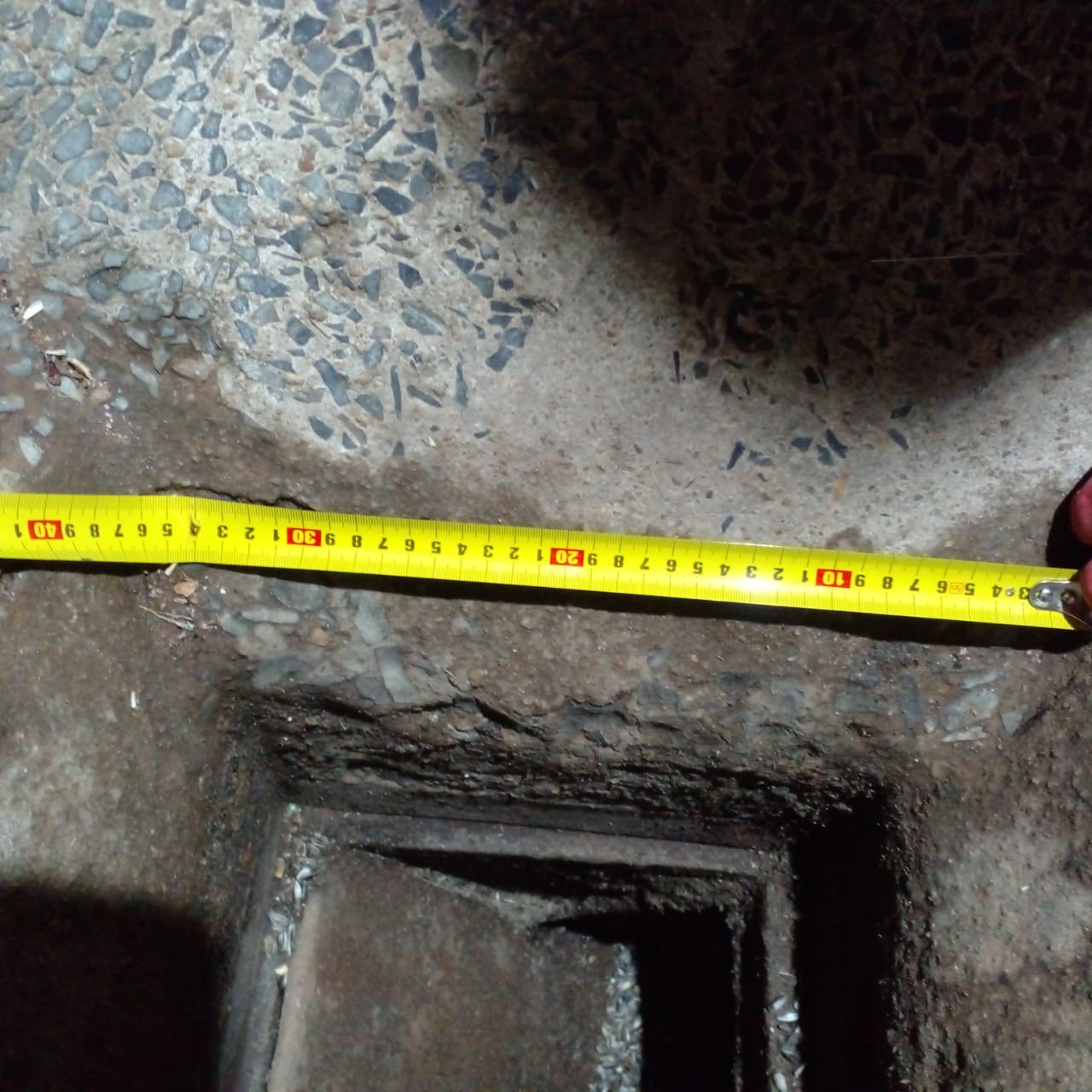
Identified horizontal structural cracks are opened with a 3mm diamond cutting disk at 12mm x 30mm and the damaged concrete then removed from the hopper.
Thereafter, the repair areas are squared off to ensure a sound bond between the crystalline coating and of all the open areas to which it is applied.
Once the coating has dried, the hopper entrance is widened until the steel base is reached so that damaged concrete can be removed using a grinder. Thereafter, a crystalline slurry is applied to the area.
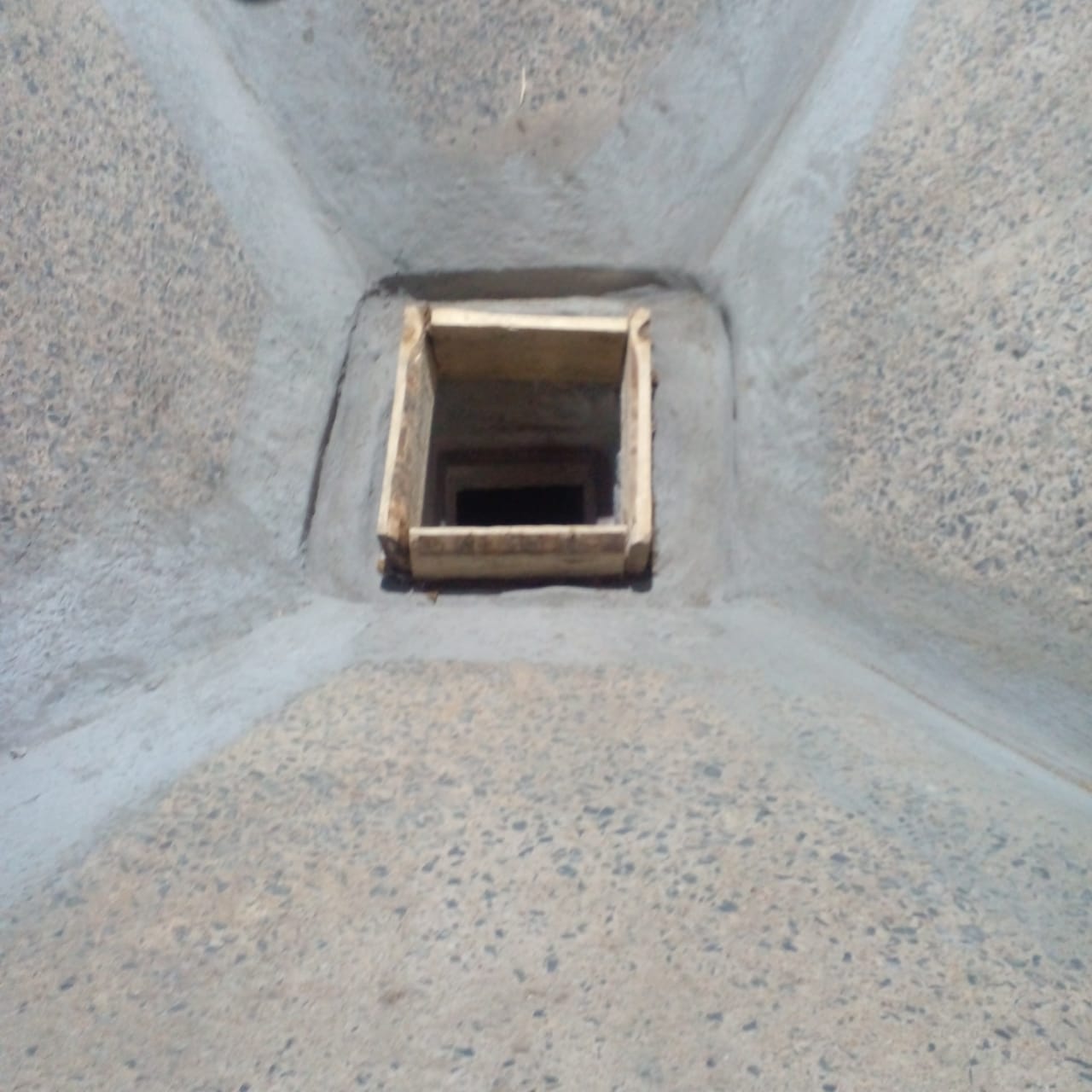
Citi-Con then shutters the hoppers and places a non-shrink grout, which has designed to ensure long-term performance.
Once the non-shrink grout has cured, the shutters are removed and the corners of the hoppers bevelled to 45° to ensure that stock is seamlessly transferred from the entrance into the chute.
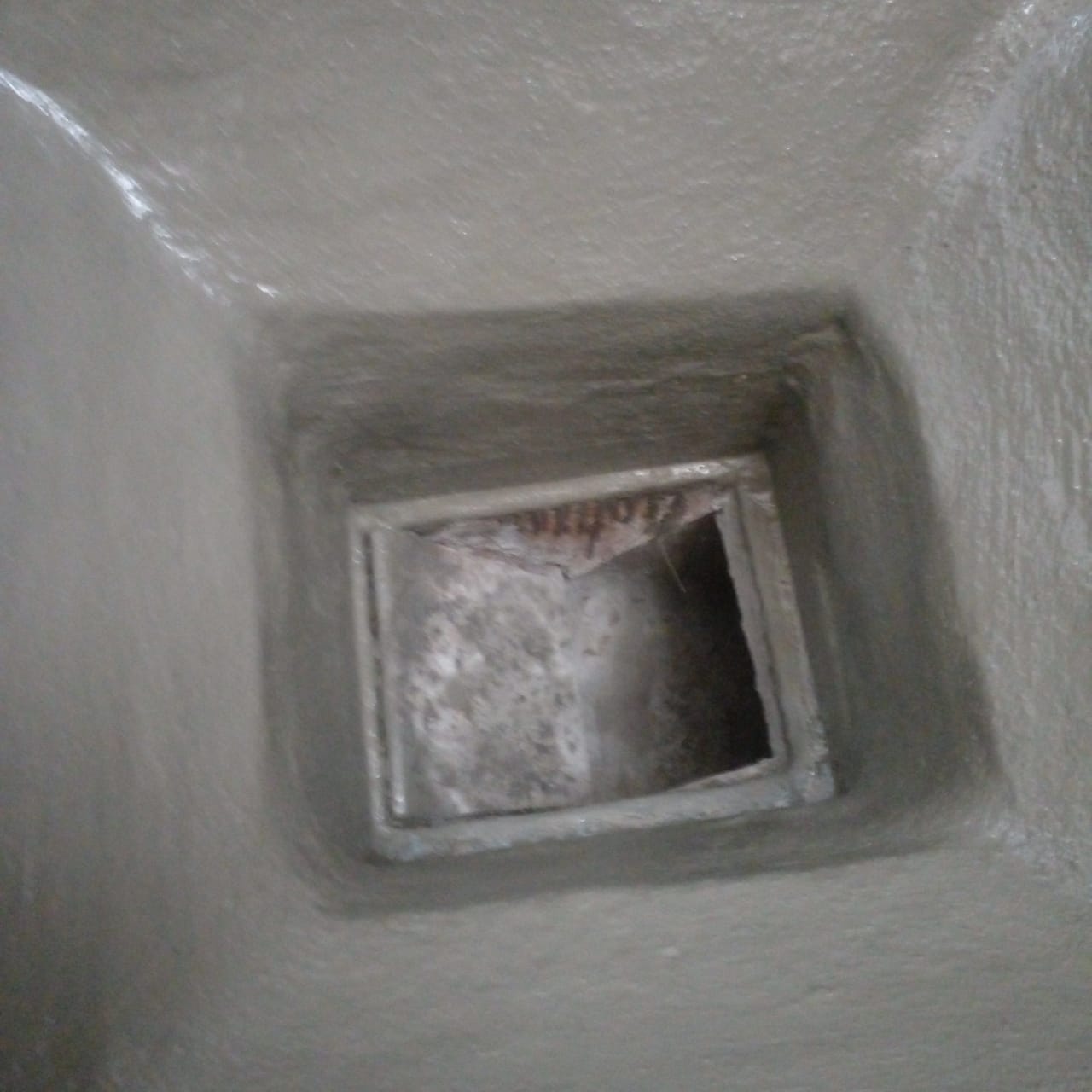
Thereafter, the walls are cleaned with a Hilti construction vacuum cleaner and the walls then wiped down with a damp cloth to remove any remaining loose particles and dust.
A Hilti 125 grinder with a diamond cup brush is then used to grind any remaining debris and imperfections off the hopper walls.
To complete the procedure, the entire surface area of the hopper walls receives a double cementitious waterproofing coating with a minimum thickness of between 1,6mm and 1,8mm and 2mm.
Projects
- Complex concrete silo structural repairs
- Concrete coring success
- Concrete expertise for landmark development
- Concrete reservoir repairs
- Concrete silo hopper repair
- Culvert sealed
- Distribution centre repaired
- Durable waterproofing solution
- Innovative concrete tunnel waterproofing
- Lift shafts successfully sealed
- Oceans II complex like new again
- Parking deck movement joints sealed
- Practical silo repair method
- Reservoir repair go-ahead
- Reservoir sealed
- RH Hotel restored to former glory
- Roof repair services outshine
- Ship factory deck now in tip-top condition
- Silos repaired
- University building upgrade
- Waterproofing an international airport
- Water purification plant repairs