
Reservoir sealed
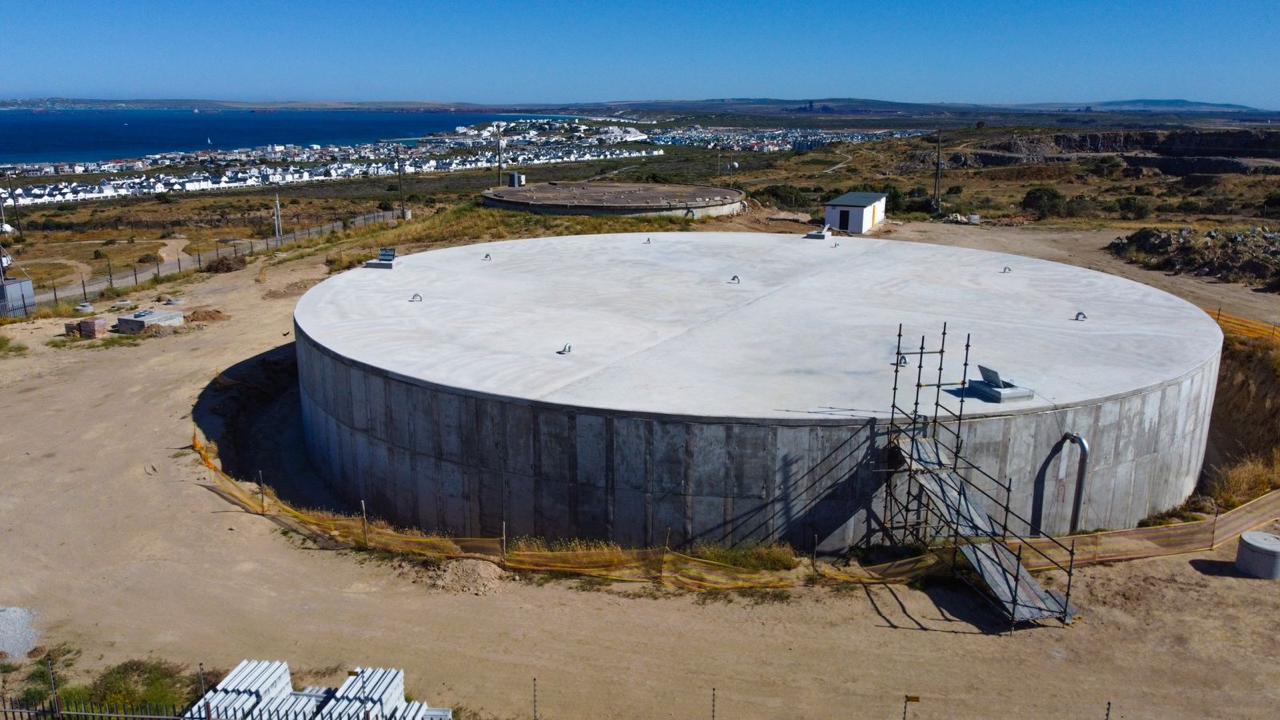
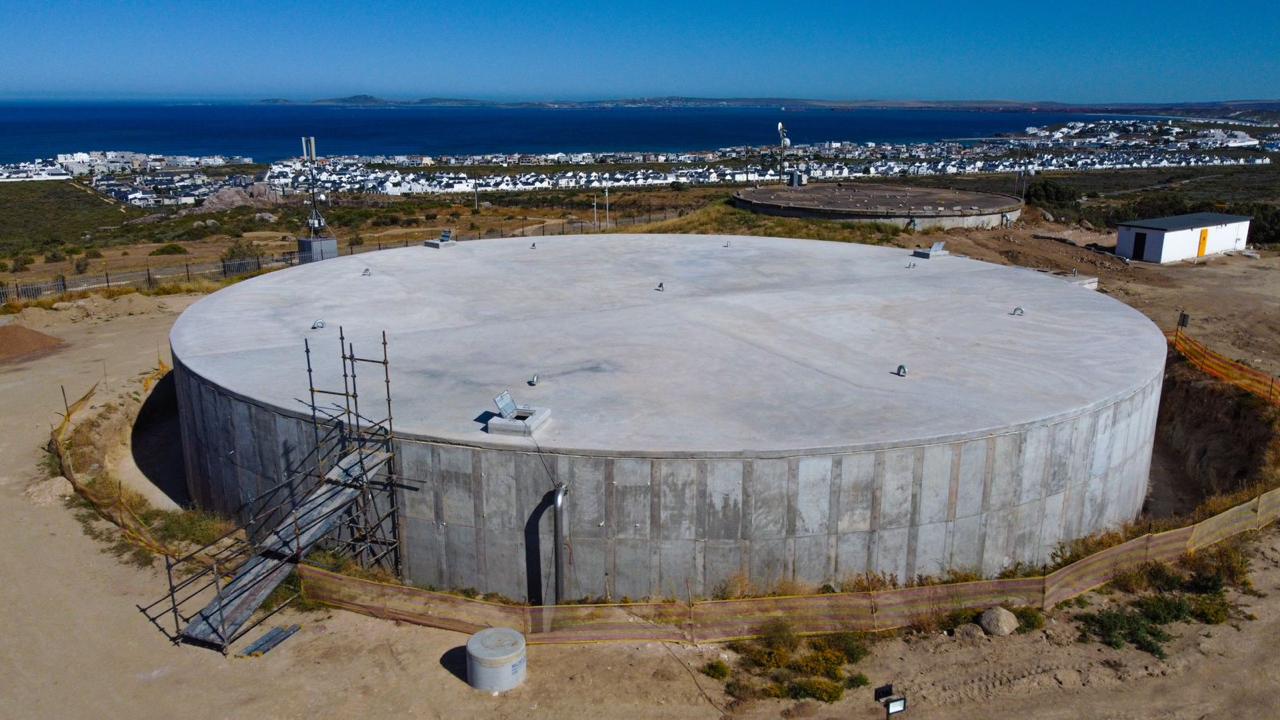
The new 10ML Langebaan reservoir’s state-of-the-art waterproofing system consists of among the best products on the market, of which Citi-Con is an approved applicator.
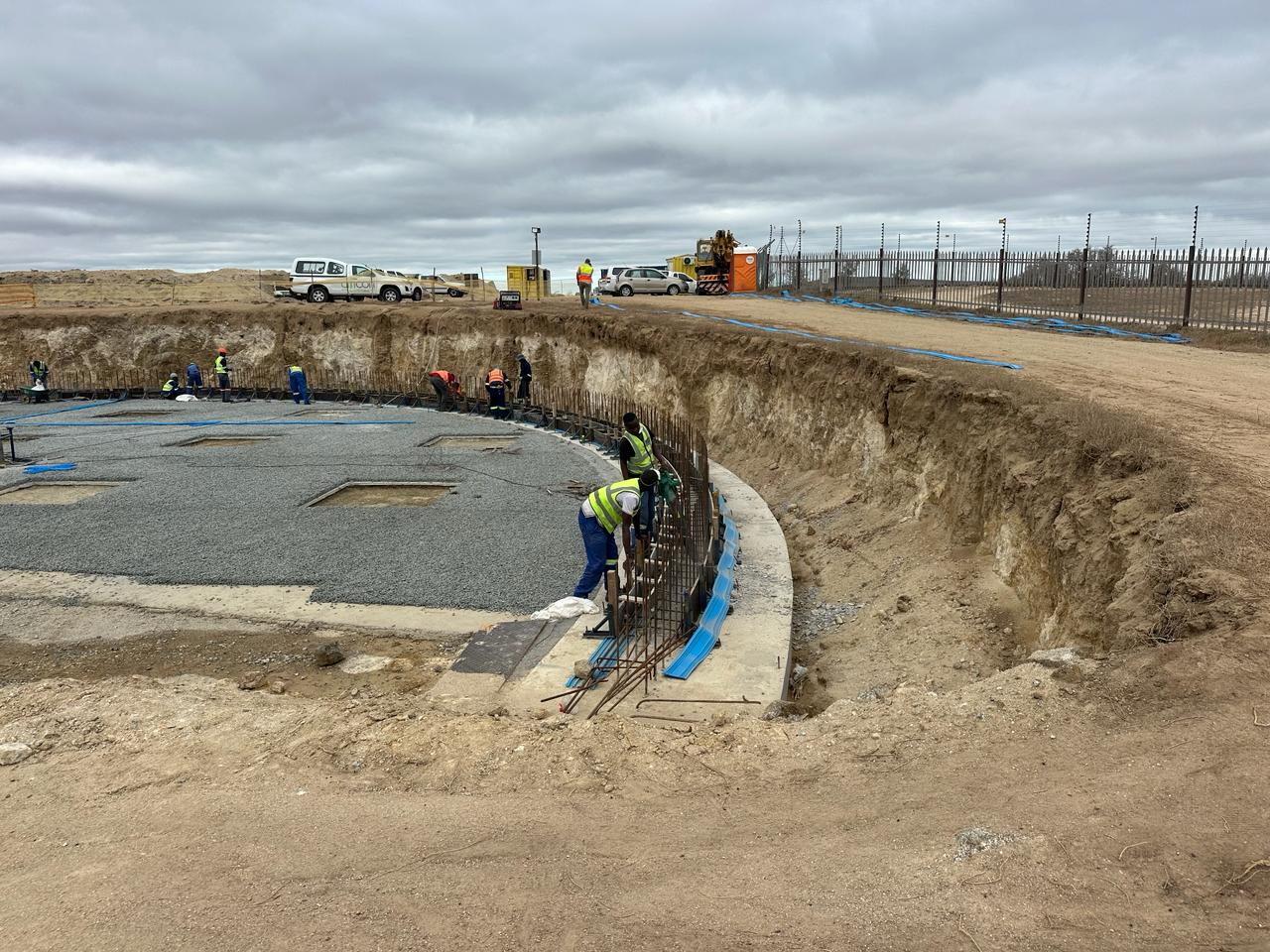
Based on plasticised polyvinylchloride and manufactured in specific profiles, quality waterstops were used to seal joints. These particular waterstops were selected because they provide long durability when installed by a skilled and experienced contractor.
Curing to form a durable rubber like seal, a two-component sealing compound based on a polysulphide polymer blended with fillers and chemical curing agents was used as a joint sealant. Citi-Con selected a sealant that is resistant to ultra-violet light and ozone making it particularly well suited for sealing drinking water reservoir joints.
Citi-Con ensured that the surfaces were clean, sound and dry, as well as free of all laitance before being primed. The company also paid particular attention to voids and hollows and allowed for at least 30 minutes for the solvent to evaporate before applying the sealant. Repriming was undertaken where primer had lost tack after three hours. Furthermore, the primed surface was protected from dust and dirt which can interfere with sealant adhesion.
To complete the process, the company then installed a high quality Hypalon bandage system over the sealed joints to reinforce the waterproofing. For this application, we selected a high-performance joint and crack sealing system. It allows variable and high levels of movement in one or more directions, while maintaining a high-quality watertight seal. The product consists of a modified flexible polyolefin waterproofing tape with advanced adhesion properties.
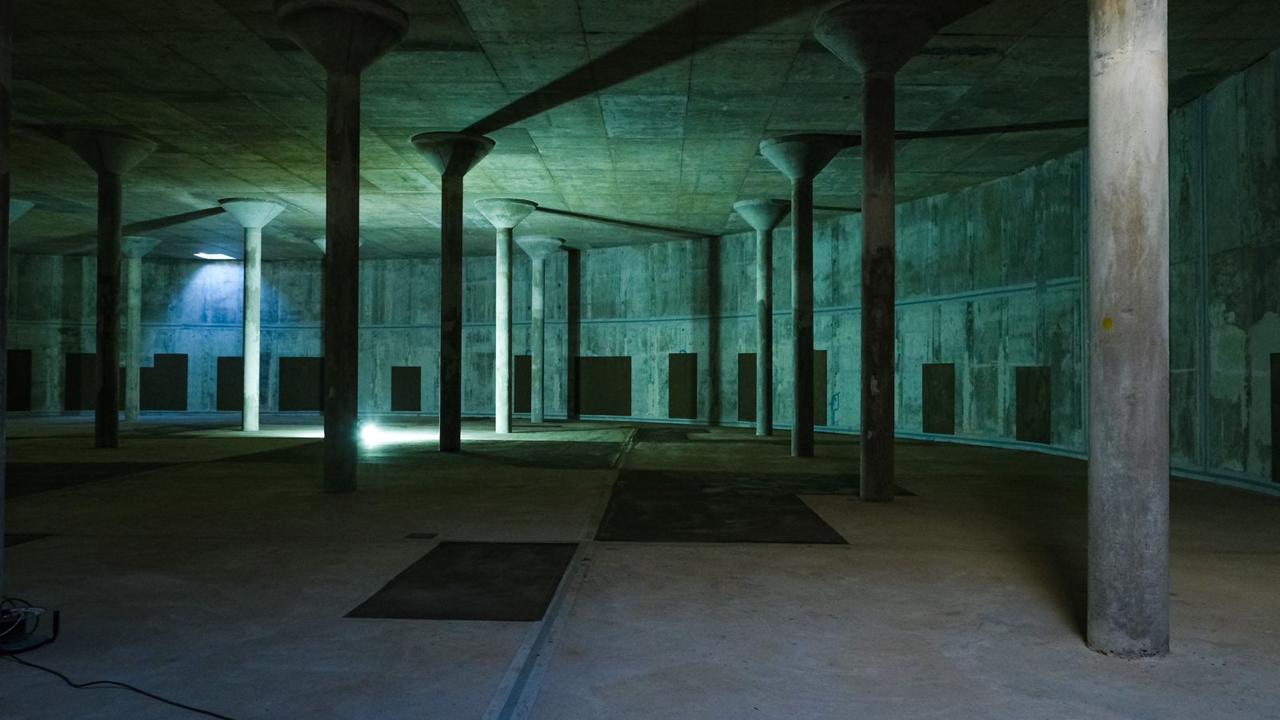
Various quality waterproofing systems were also used to waterproof the reservoir’s internal wall and floor slab. This included a high two-component cementitious mortar that seals hairline cracks already present on substrates.
Also approved for use in potable water systems, a flexible slurry based on a special synthetic resin dispersion and a blend of selected cement mixed with carefully graded aggregate was then deployed.
In addition, an additive was used to waterproof the cement mixes, improving the bond of subsequent treatments.
A high-quality bituminous membrane was applied to the concrete floor slab to complete the process.
Projects
- Complex concrete silo structural repairs
- Concrete coring success
- Concrete expertise for landmark development
- Concrete reservoir repairs
- Concrete silo hopper repair
- Culvert sealed
- Distribution centre repaired
- Durable waterproofing solution
- Innovative concrete tunnel waterproofing
- Lift shafts successfully sealed
- Oceans II complex like new again
- Parking deck movement joints sealed
- Practical silo repair method
- Reservoir repair go-ahead
- Reservoir sealed
- RH Hotel restored to former glory
- Roof repair services outshine
- Ship factory deck now in tip-top condition
- Silos repaired
- University building upgrade
- Waterproofing an international airport
- Water purification plant repairs